
Methodology
The DDL Leadership System™
A practical, evidence-informed approach to building the leadership capacity organizations need to navigate complexity, execute strategy, and sustain change.
The premise
Grounded in an integral view of leadership.
Leadership is not a soft skill. It's infrastructure.
Sustainable transformation requires more than strategy, structure, or skill-building. It requires leaders who can work across the inner, relational, behavioural, and systemic dimensions of change at the same time.
Leadership development usually focuses on skills, competencies, or individual behaviour. This work goes deeper. We help senior leaders and executive teams build the integral capacity required to lead complexity, strengthen trust, and move strategy into meaningful action.
The four dimensions below are not a curriculum to complete. They are the load-bearing capacities an organization needs in place before transformation will hold.
The model
Four capacities. Three levels. One structure.
- The selfInner capacityClarity under pressure
- Between peopleRelational capacityTrust across difference
- The workExecution capacityDecisions into action
- The wholeSystem capacityConditions that sustain change
Four dimensions
What we build capacity for.
The self
Inner capacity
How leaders understand themselves, regulate under pressure, and lead with clarity and intention rather than reactivity.
What we build
- Self-awareness informed by assessment and feedback
- Greater capacity to regulate and lead effectively under pressure
- Clear leadership intentions and behavioural priorities
- Recognition of reactive patterns before they shape decisions or relationships
What changesGreater clarity, judgment, and consistency when the stakes are high.
Between people
Relational capacity
How leaders understand others, communicate across differences, build trust, influence effectively, and create the conditions for productive collective work.
What we build
- Perspective-taking and understanding of different behavioural and leadership styles
- Communication, listening, feedback, and influence adapted to people and context
- Social awareness and the ability to read interpersonal dynamics and respond effectively
- Trust, candour, collaboration, and influence beyond formal authority
What changesStronger relationships, communication, and greater collective effectiveness.
The work
Execution capacity
How leaders translate strategy into coordinated action by clarifying priorities, making decisions, aligning ownership, and creating ways of working that support execution.
What we build
- Clear decision rights, ownership, and accountability
- Shared discipline for aligning around and protecting priorities
- Operating rhythms that connect strategy to execution
- Visible commitments, coordination, progress, and course correction
What changesStrategy translates into coordinated action, clearer decisions, stronger ownership, and more consistent execution.
The whole
System capacity
How leaders understand and shape the patterns, structures, culture, governance, power, and operating conditions that influence how the organization behaves and whether change will hold.
What we build
- A systems view of the patterns, interdependencies, culture, power, and structures shaping performance
- Greater ability to surface assumptions and understand what is driving recurring patterns
- Better alignment between leadership expectations, structures, incentives, and ways of working
- Feedback, learning, and measurement practices that support adaptation and sustained performance
What changesUnderlying patterns shift, and change becomes embedded in how the organization operates.
Where the work lands
Three levels of leadership impact.
The work connects individual leadership behaviour to team effectiveness and the organizational conditions that shape performance.
The leader
How you show up
Clarity under pressure, greater self-awareness, and the ability to lead with intention rather than reaction.
The executive team
How the team works
Trust, candour, perspective-taking, stronger communication, better decisions, and the ability to navigate difference and act effectively as a team.
The organization
How the system supports performance
Leadership expectations, operating rhythms, feedback, structures, and accountability mechanisms that reinforce how work gets done and help change endure.
Sequence
How an engagement unfolds.
The work moves through four stages, with learning and adaptation built throughout.
01
Diagnose
Understand the leadership, team, and organizational conditions shaping the current situation through interviews, assessment, observation, and other relevant data.
02
Design
Define the outcomes, focus, measures, and approach required for the organization's context. Every engagement is designed around the need, not pulled from a fixed curriculum.
03
Build
Develop the capacities that matter most through coaching, team work, facilitated practice, and the real leadership challenges already in front of the organization.
04
Embed
Reinforce change through leadership practices, operating rhythms, feedback, accountability, and measurement so progress can continue beyond the engagement.
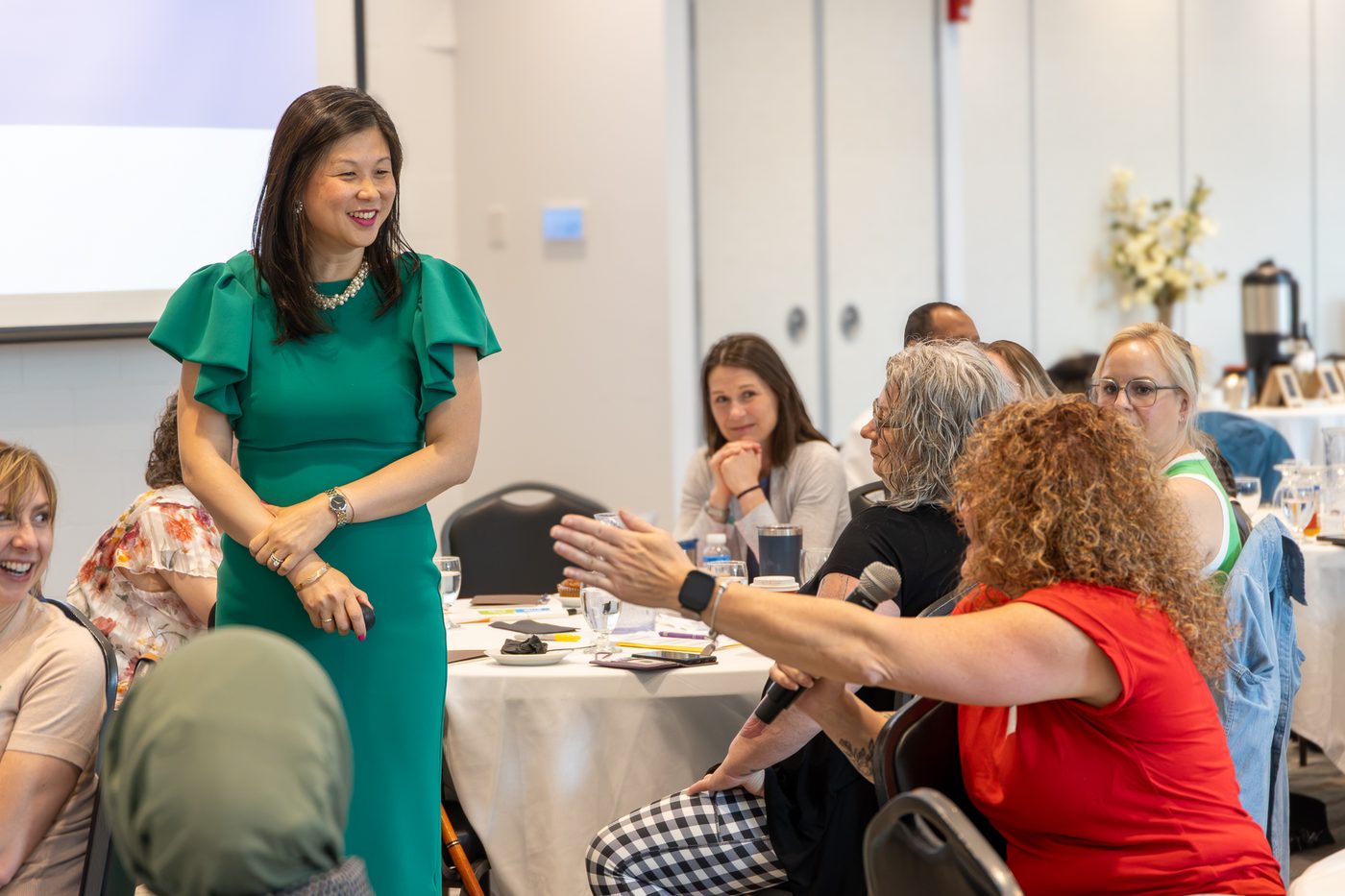
Trust, presence, accountability, and courage become behaviours leaders can practise, measure, and reinforce.
Start here
Where would this land first in your organization?
Bring us the situation you are actually in. We will tell you honestly whether this is the right work for it.